From Law No. 23 on organic farming, approved by Parliament in 2022, to the CAP 2023-2027 programming supported by adequate funding, to the organic projects supported by PNRR resources, up to the full implementation of the National Action Plan for Organic Farming (PANBio 2024-2026), a set of regulatory and programming tools that has led to growth and consolidation of the sector nationwide.
This commitment has translated into an ambitious goal: to reach 25% of the national agricultural area under organic farming by 2027, three years ahead of the European target of 2030.
Completing this strategic framework is the recent launch of the Italian Organic Brand, a tool designed to strengthen the identity and recognition of national organic products, increase their competitiveness on the market, and enhance the central role of farmers in the supply chain. This represents a further step in the strategy to promote Italian organic products, which aims to strengthen the link between product quality, national origin, sustainability, and consumer trust.
FederBio emphasizes that the significant results achieved must not overshadow the critical issues of the current phase, which require attention and concrete responses in the next programming period. The challenges facing the entire agricultural sector also affect organic farms, which, despite demonstrating greater resilience, must contend with the dramatic effects of the climate crisis and the consequences of geopolitical tensions that have led to increased production costs, while on the market, even in organic products, prices paid to producers have in many cases fallen.
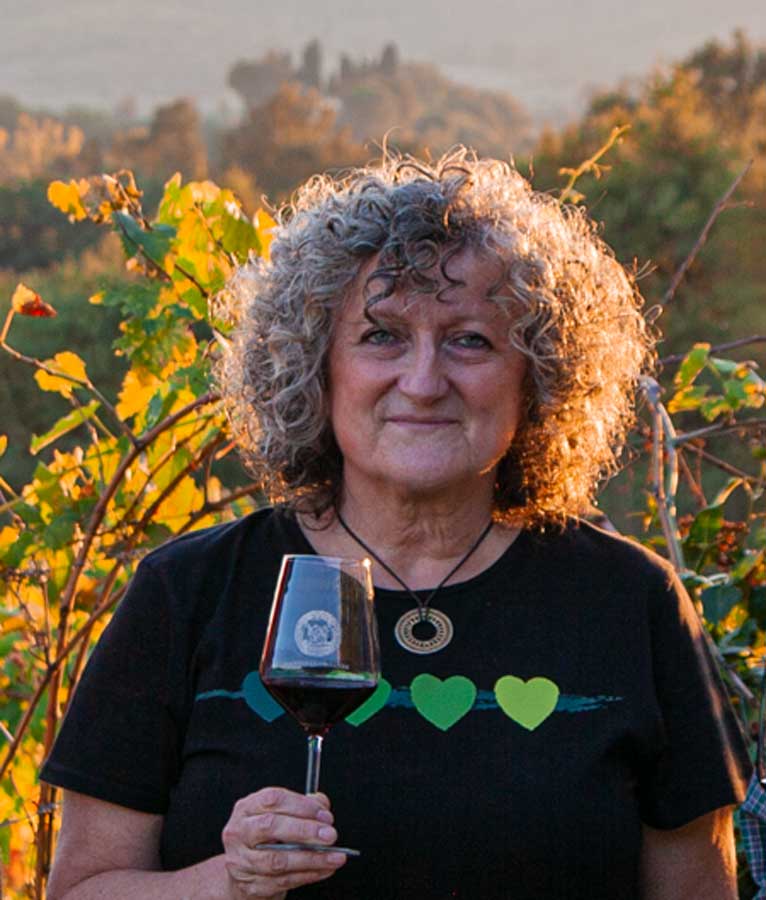
"The constructive dialogue with the Government and Undersecretary D'Eramo has contributed to the progress made in recent years by the Italian organic sector, " says Maria Grazia Mammuccini, President of FederBio . " Now it is essential to consolidate the results achieved, addressing the difficulties of the current phase, starting with support for small and medium-sized organic farms that represent an irreplaceable asset for inland areas and the economy of rural areas. For these companies, the burden of bureaucratic and administrative requirements and certification costs is becoming unbearable, and simplification is an absolute priority. At the same time, we need to invest in local production and consumption systems, focusing on organic districts and collective catering to strengthen the link between farmers, citizens, and local communities . Furthermore, at a time when the demand for organic products continues to grow, it is essential to promote Made in Italy organic supply chains at the 'fair price' to strengthen the role of farmers through a fair distribution of value in the supply chain . Organic is the innovation for the future of agricultural and food systems based on values of collective interest." From maintaining soil fertility to protecting the environment, biodiversity, and health. To sustain the growth and further diffusion of organic farming, it is essential to ensure strategic support through investments in research, innovation, training, and technical assistance. These are essential tools for increasing the skills and professionalism required by organic farming and the transition to agroecology. In this regard, the choices made in the future CAP will be crucial to ensuring the continuity of the sector's development and truly supporting organic businesses .
FederBio recognizes the importance of Italy's commitment and that of numerous MEPs in opposing the cuts to agricultural resources proposed by the European Commission. At the same time, it reiterates its opposition to the decision to eliminate Member States' binding commitment to organic farming, which it believes is essential to ensuring continuity and coherence in the sector's development policies.
"Supporting organic farming doesn't mean funding an abstract model or an ideology, but concretely supporting farmers through change ," Mammuccini continues . "It means ensuring the conditions necessary to address the challenges of the transition to innovative and sustainable production methods, from an environmental, agronomic, and social perspective. This is why we believe it is essential that the future CAP maintain a binding commitment to organic farming, with adequate resources and a common strategy for all European countries. Leaving support to the discretion of individual countries risks creating inequality and weakening the agroecological transition, which instead requires a clear and shared direction."
02/11/2026
29/10/2026

03/10/2026

23/09/2026